
Foremost Fastener Company: Heating Repair in Addison: Restoring Unit Heater Airflow With a New Blower Motor
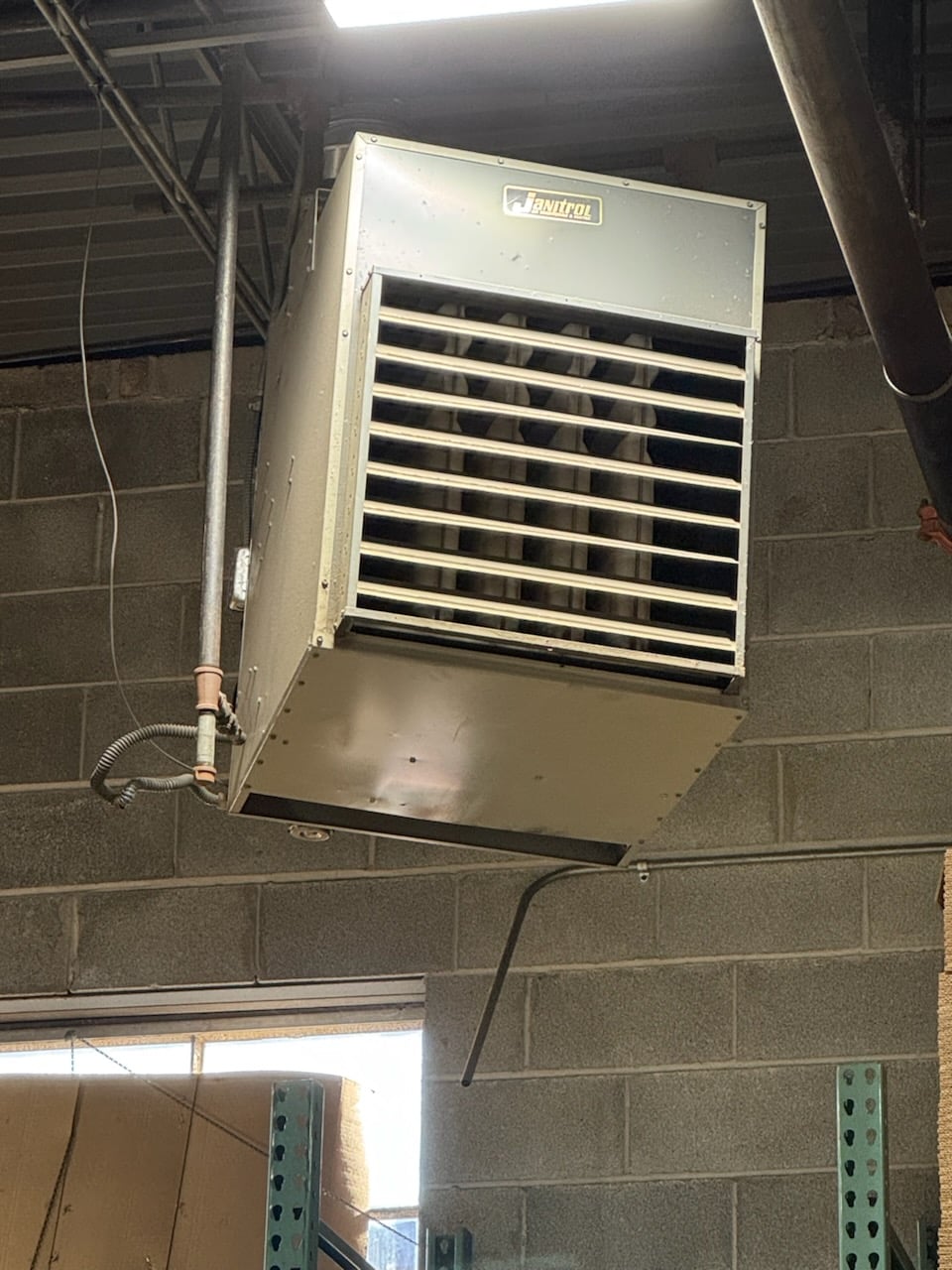
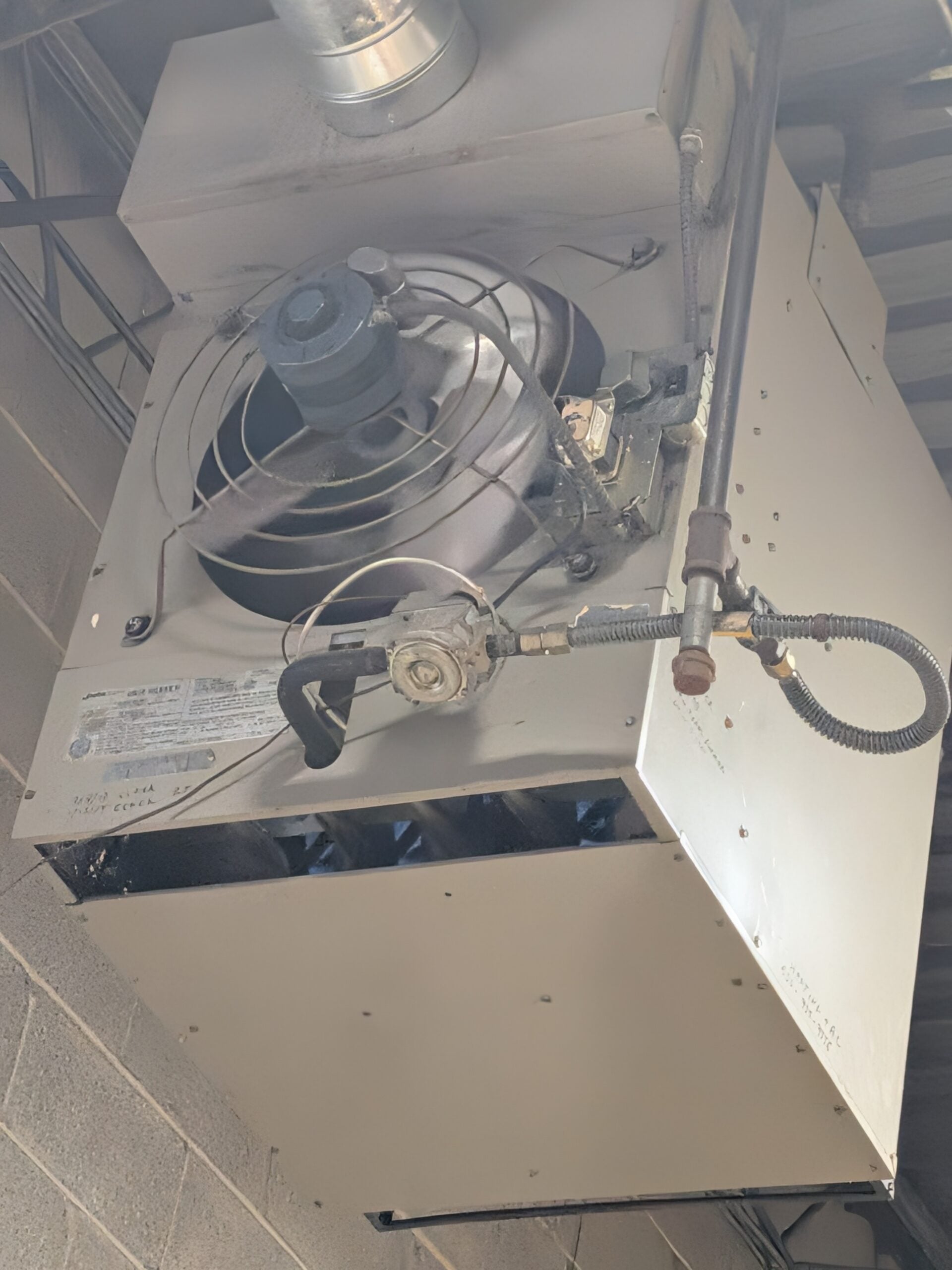
A unit heater that is not delivering air needs attention to the parts responsible for moving that air, not just producing heat. For this heating repair in Addison, IL, the customer reported that their unit heater was not delivering air. Windy City HVAC Repair diagnosed a failed blower motor and replaced it to restore operation.
Completed on November 12, 2026, the job included checking the new motor’s amperage and running a full heating cycle after replacement. Those checks were important parts of confirming the repair, rather than treating the installation of a new part as the finish line. The verified result was straightforward: the system was running properly after the blower motor replacement and operational testing.
What the Customer Needed: Airflow From the Unit Heater
The customer’s reported problem was specific: the unit heater was not delivering air. That symptom affects the equipment’s ability to distribute heated air, even though it does not, by itself, identify which component has failed. The task was to determine the cause and complete the repair needed to get the heater operating properly again.
For a customer, an airflow problem may simply feel like a heater that is not doing its job. From a service standpoint, however, producing heat and moving heated air are different functions. Understanding that distinction helps explain why this project centered on a blower motor rather than assuming every heating complaint calls for the same repair.
Diagnosing the Failed Blower Motor
Our diagnosis identified a failed blower motor as the cause of the unit heater’s airflow problem. The blower motor drives the part of the system that moves air, allowing heated air to leave the equipment and reach the space it serves. When that motor fails, the heater cannot perform its air-delivery function as intended.
This finding gave the repair a defined scope: replace the failed motor and verify operation afterward. A lack of airflow is a symptom, while a failed motor is a component-level diagnosis. Keeping those two things separate matters because an effective repair addresses the identified failure rather than relying on the customer’s initial description alone.
Our heating repair services address equipment problems such as the one documented here. On this Addison job, the confirmed issue was the blower motor, and the completed work focused on that component.
Replacing the Unit Heater’s Blower Motor
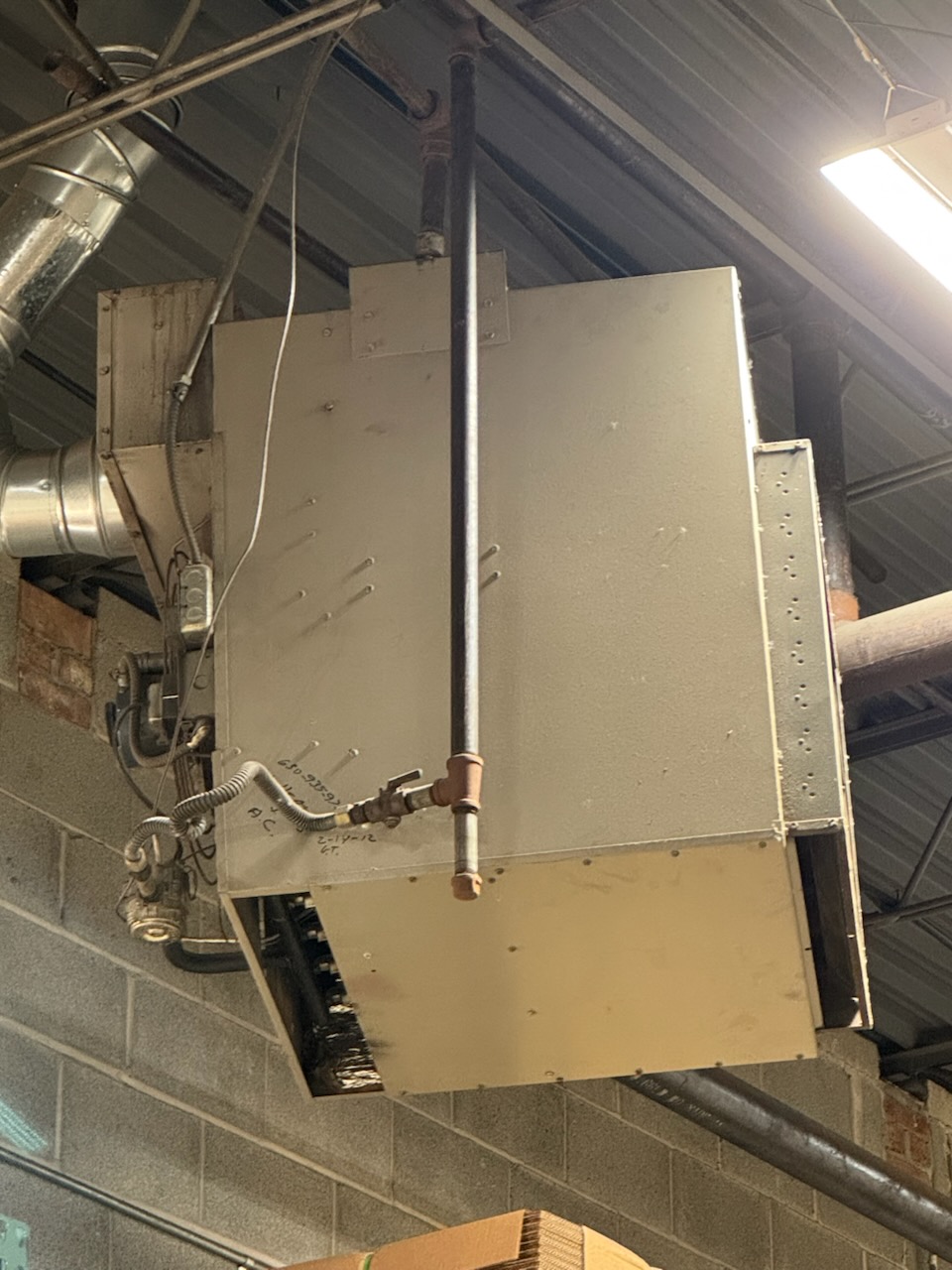
With the failed component identified, we replaced the blower motor. This was a component repair to the customer’s existing unit heater, not a replacement of the entire heating system. The purpose was to restore the air-moving function that had been interrupted by the motor failure.
The distinction is useful when considering what a heating repair actually involves. A heater contains parts with different responsibilities, and a problem with one function does not automatically establish that the complete unit needs replacement. Here, the documented work was a blower motor replacement, followed by checks to confirm that the system operated properly.
The repair record does not identify a motor brand, horsepower, or model number, so the useful takeaway is the work performed rather than a particular product recommendation. For another unit heater with similar symptoms, the appropriate repair would still depend on diagnosing that equipment’s actual fault.
Checking Amperage After the Motor Replacement
After installing the replacement motor, we verified proper amperage. Amperage describes the electrical current a motor draws while operating. Checking it provides information about how the replacement is running, beyond the simple observation that a motor has started turning.
A motor’s electrical operation is a separate consideration from whether air can be felt at the heater. Both matter when assessing a completed blower repair. On this project, the proper-amperage verification was one of the recorded checks supporting the conclusion that the replacement motor was operating correctly.
No numerical reading is included in the job record, so there is no specific amperage value to report. Motor readings must be considered in relation to the applicable equipment requirements, rather than treating one current value as correct for every unit heater.
A Full Heating Cycle Confirmed Operation
We also ran a full heating cycle after replacing the motor. This checked operation in the context of the heater doing its intended work, rather than evaluating the replacement motor only as an isolated part. The completed test confirmed that the system was running properly.
The amperage check and heating-cycle test answered related but different questions. The first verified the replacement motor’s current draw, while the second confirmed operation through a full heating cycle. Together, they provided a more useful completion check than stopping as soon as the new motor was installed.
What to Watch for After an Airflow Repair
For customers, the practical point to watch afterward is whether the heater continues delivering air during normal operation. If airflow stops again or the equipment behaves differently, describing when that happens can help guide the next service assessment. A recurring symptom should be evaluated rather than automatically attributed to the same part.
Routine service and a repair appointment also serve different purposes. This job addressed an existing motor failure; customers interested in ongoing service can ask about maintenance plans. The completed repair should not be read as a prediction about the service life of other components.
Heating Service Based on the Equipment’s Actual Needs
This Addison project involved a failed blower motor, while other heating visits have a different scope. Our seasonal furnace tune-up in Humboldt Park, Chicago is a separate example of heating service, not the same repair performed here. The reason for the appointment and the equipment findings determine the work needed.
For this customer, replacing the blower motor and verifying operation returned the unit heater to proper operation. If your equipment is not delivering air, contact Windy City HVAC Repair at 3125004822 to discuss service. You can also find Windy City HVAC Repair on Google for business information.