
Nasafi Residence: Heating Repair in Westmont for a No-Heat Furnace With a Dirty Flame Sensor
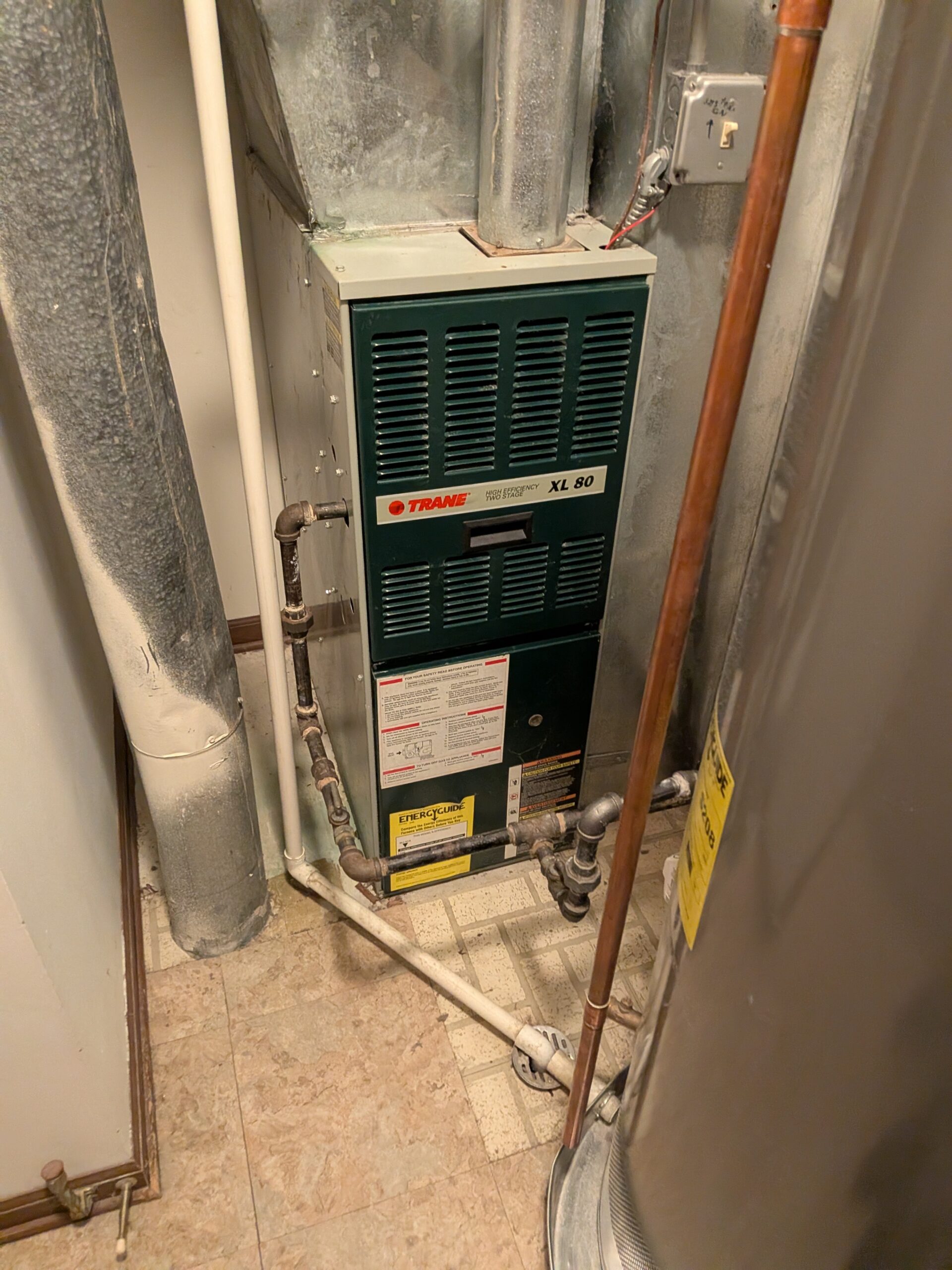
A customer in Westmont, IL, called us because their furnace was not providing heat. During the inspection, our technician found an extremely dirty flame sensor, a component that allows the furnace to detect whether a flame is present. When that detection is interrupted, the furnace can shut down rather than continue its heating cycle.
Windy City HVAC Repair completed this heating repair on November 20, 2026. We cleaned the flame sensor, and all other components checked out to manufacturer specifications. The job centered on a specific finding rather than a documented need for replacement parts. For customers facing a similar no-heat problem, this project explains why identifying the cause matters before deciding what repair a furnace needs.
A Westmont No-Heat Call With a Specific Cause
The customer’s request was straightforward: the furnace was not delivering heat. That symptom describes what the customer experiences, but it does not identify which component needs attention. Our technician inspected the equipment to determine what was behind the shutdown.
Westmont is a southwest suburb of Chicago in DuPage County. For this local service visit, the important details were the furnace’s condition and the extremely dirty sensor found during inspection, rather than assumptions based on the location or season.
The distinction between a symptom and its cause is useful when arranging professional heating repair. A no-heat complaint does not automatically mean the furnace needs a new major component. Here, the documented finding pointed to cleaning an existing part.
Why a Dirty Furnace Flame Sensor Matters
A flame sensor has a specific role in furnace operation: it helps the equipment determine whether the burner flame is present. Producing a flame and detecting that flame are related but separate functions. A furnace can therefore have a heating-cycle interruption tied to flame detection rather than a simple inability to ignite.
Heavy buildup on the sensor can interfere with that detection. As noted during this inspection, an extremely dirty flame sensor prevents the furnace from detecting flame and causes it to shut down. That made the sensor’s condition directly relevant to the customer’s no-heat complaint.
This also explains why a small component deserves attention during diagnosis. Its physical size does not determine its importance to the heating sequence. If the furnace cannot confirm flame, the rest of the heating cycle cannot proceed as intended.
Cleaning the Sensor and Checking Other Components
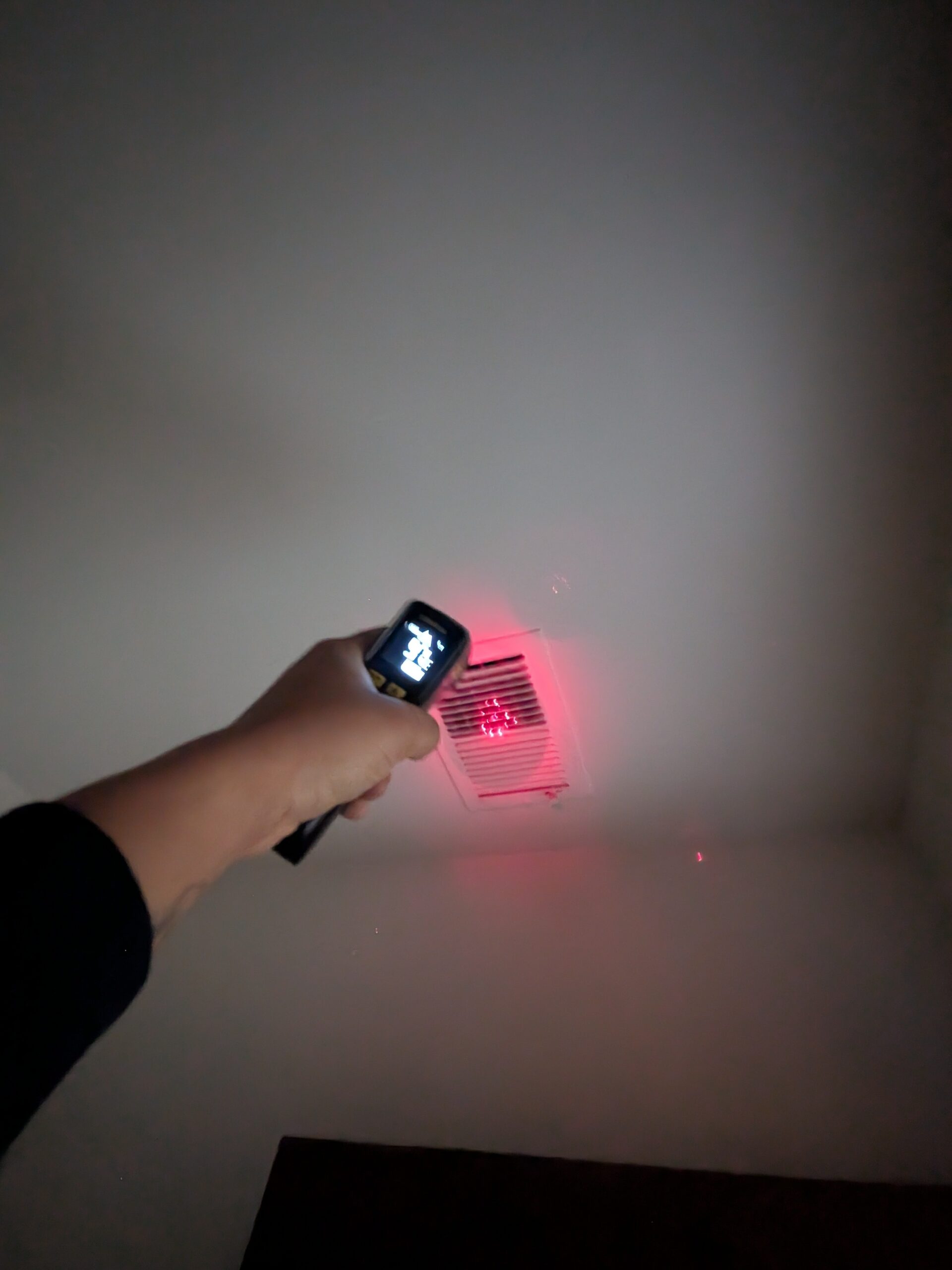
Our technician cleaned the flame sensor identified during the inspection. This addressed the documented buildup on the existing component. The job notes describe cleaning, not replacement, so the completed work should not be confused with installing a new sensor or changing other furnace parts.
The rest of the equipment also mattered to the assessment. All other components checked out to manufacturer specifications. That finding provided context for the repair: the sensor needed attention, while the other checked components did not show a documented need for correction.
Manufacturer specifications give equipment checks a defined reference point. They are more useful than judging a component only by appearance or assuming that every no-heat call has the same cause. On this project, those checks supported a focused repair rather than a broader list of component replacements.
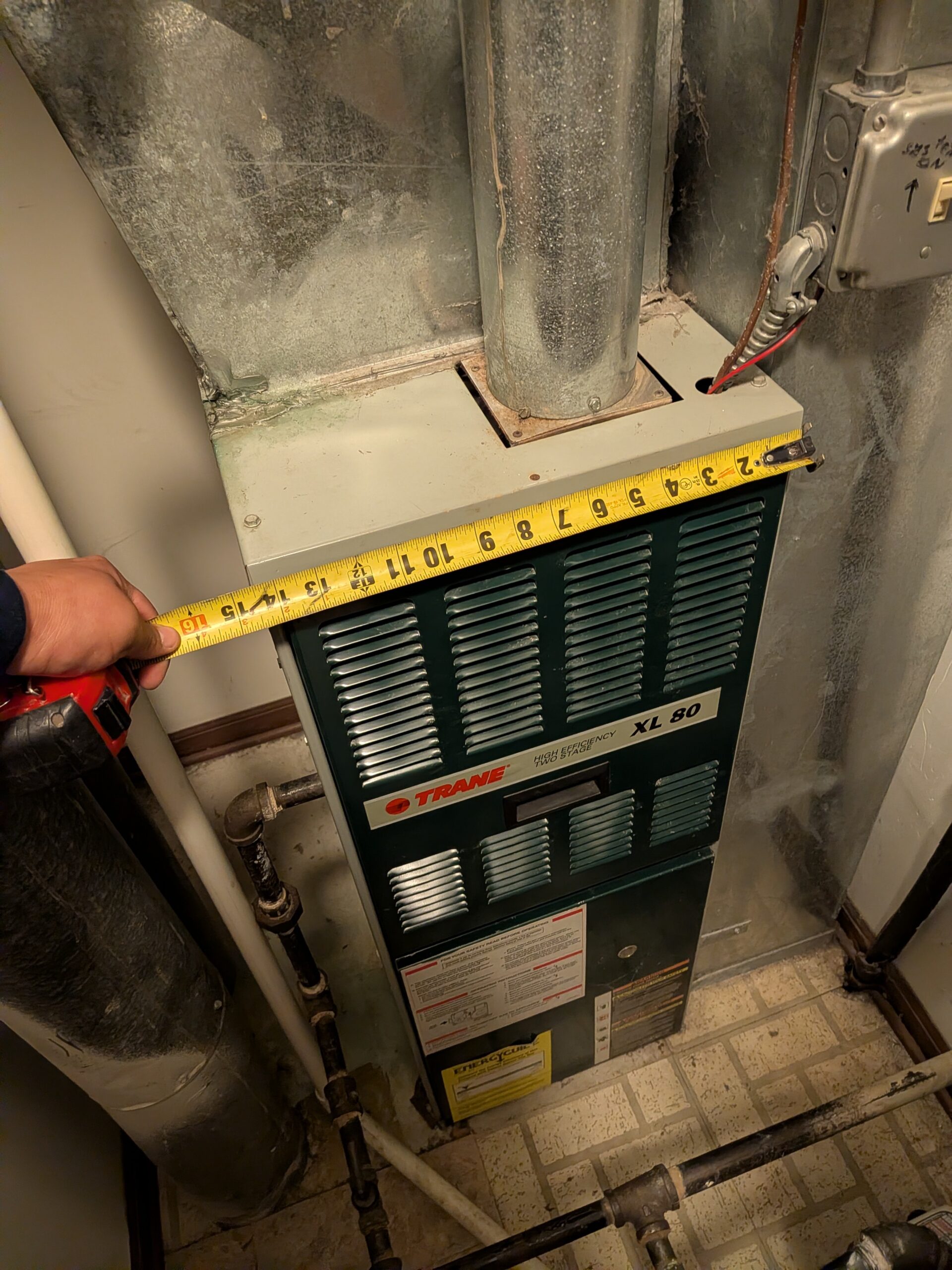
The service record does not identify a furnace brand, model, cleaning product, or replacement part. The meaningful details are the ones confirmed on site: an extremely dirty flame sensor, cleaning of that sensor, and other components checking out to manufacturer specifications.
The Completed Heating Repair in Westmont
The completed work addressed the condition found during diagnosis. We cleaned the dirty flame sensor and confirmed that the other components checked out to manufacturer specifications. Those are the recorded results of this visit.
For a property owner, that distinction helps make the scope of service understandable. A repair can involve correcting the condition of an existing component rather than replacing it. The appropriate scope depends on what the inspection finds, not simply on the fact that the furnace has stopped heating.
What to Watch for After a No-Heat Service Visit
If a furnace stops heating again, the most useful next step is to report what it is doing rather than assume the same component is responsible. Whether it attempts to start, stops during a cycle, or does not respond at all can help describe the problem. Those observations do not replace an equipment inspection.
A previous flame sensor cleaning is relevant service history, but it does not establish the cause of every later interruption. Furnaces rely on multiple components working together. A new complaint should be evaluated on its own findings rather than treated as proof that the sensor needs cleaning again.
Customers interested in ongoing equipment attention can ask about maintenance plans. Questions about maintenance are separate from the repair completed here; this visit documented sensor cleaning and checks of the other components, not enrollment in a plan.
Different Heating Problems Require Different Repairs
Another example is our Addison unit heater blower motor replacement. That project involved restoring airflow with a new blower motor, while this Westmont visit involved cleaning a flame sensor. Both fall under heating repair, but the component and corrective work differ.
Our team also offers cooling repair for separate air-conditioning concerns. For a furnace that is not heating, contact Windy City HVAC Repair on Google or call 312-500-4822 to discuss the symptoms and arrange service. This Westmont project illustrates the value of tying the work to an actual inspection finding.