
WHEATLEY Residence: Cooling Repair in Chicago With a Condenser Replacement
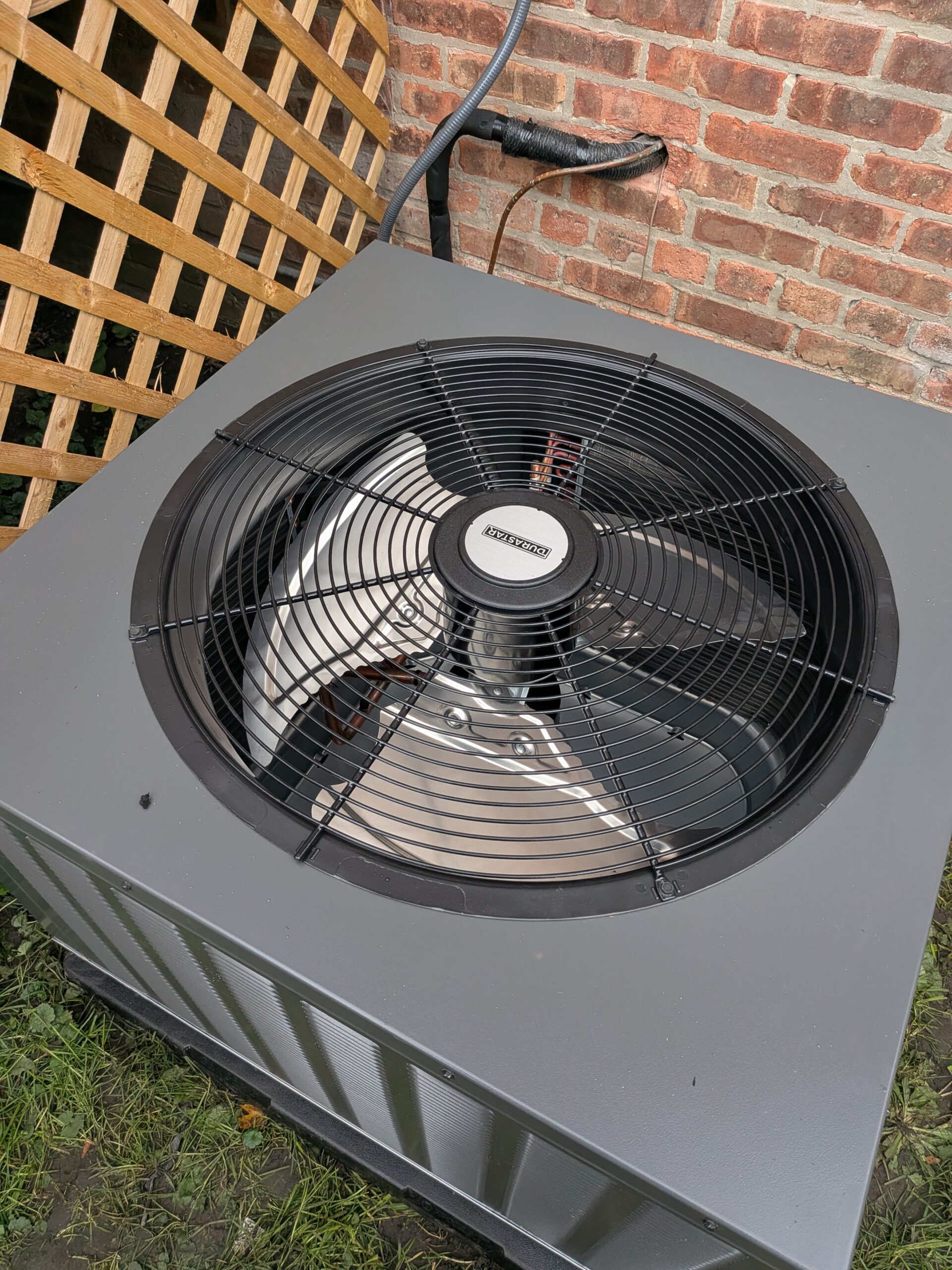
Windy City HVAC Repair completed a cooling repair project in Chicago on November 11, 2026, with a specific scope: replacing the condenser. That replacement is the documented result of this job. It identifies the equipment addressed without suggesting that the entire cooling system was replaced or that unrelated work was performed.
A condenser replacement is a substantial part of cooling service, but it is only one part of understanding the system as a whole. For a property owner considering similar work, the useful questions concern what the condenser does, how replacement differs from other repairs, and what information matters afterward. This project provides a straightforward example of condenser replacement within our cooling repair services, while the guidance below explains those considerations without assigning unrecorded symptoms, equipment specifications, or performance results to the customer’s job.
The Scope of This Chicago Cooling Repair
The completed work for this project was replacement of the condenser. The project record does not identify a manufacturer, model, capacity, or the condition that led to replacement. Those distinctions matter because the same service description can apply to different equipment configurations and repair situations.
Replacing a condenser should not be described as replacing every component of an air conditioning system. Depending on the installation, other equipment can include an indoor coil, air-moving equipment, controls, and connecting refrigerant lines. The scope of any proposed repair should make clear which equipment is being replaced and which components remain.
For customers comparing service options in Chicago, that clarity is more useful than a broad promise of a completely new system. Here, the accurate description is condenser replacement as part of a cooling repair. There is no basis to attach an efficiency improvement, a particular cooling capacity, or an operating-cost reduction to this completed job.
What the Condenser Does in a Cooling System
In a typical split air conditioning system, the outdoor assembly releases heat that has been collected from inside the property. Refrigerant circulates between indoor and outdoor equipment as part of that heat-transfer process. The condenser plays a role in releasing that heat outdoors rather than producing cold air by itself.
The term “condenser” can refer to the heat-releasing coil or, in everyday service discussions, the outdoor condensing unit. An outdoor condensing unit commonly contains several components, including a compressor, coil, and fan. Because terminology can vary, a replacement proposal should identify the actual equipment included rather than relying on the word alone.
This distinction also helps explain why condenser replacement and indoor airflow repairs are different services. A system can involve multiple interacting components, and the name of one replaced component does not establish the condition of all the others. For this project, the confirmed work remains the condenser replacement, without additional claims about indoor equipment.
Planning a Condenser Replacement
For someone arranging a similar repair, equipment compatibility is an important discussion to have before work begins. Replacement selection can involve the existing system’s capacity, refrigerant requirements, electrical characteristics, and manufacturer requirements. These are general planning considerations, not a list of assessments documented for this particular appointment.
A useful written scope should also distinguish replacement equipment from any proposed work on connecting components. Refrigerant lines, electrical connections, controls, and the mounting arrangement can each raise separate questions depending on the installation. Customers benefit from knowing which items are included instead of assuming every connected part will be renewed.
Property access is another practical topic to discuss when scheduling equipment replacement. The service provider needs enough information to understand where the equipment is located and how the work area can be reached. No access difficulty or special site condition was recorded for this Chicago project, so none is attributed to the job here.
The Finished Work and What It Establishes
The recorded outcome is that the condenser was replaced. That is a concrete equipment change, but it does not by itself provide measured information about temperatures, airflow, sound levels, or energy consumption. Describing the result accurately means keeping the completed work separate from benefits that would require additional documentation.
For a customer receiving replacement equipment, the most useful follow-up information is specific to the installed unit. Model information, operating instructions, and the service record help establish what was installed and how to care for it. Keeping those materials together also gives a future technician a clearer starting point when reviewing the system.
A replacement date provides another useful reference for later maintenance conversations. This project’s completion date was November 11, 2026; it should not be treated as evidence of a particular seasonal operating test. The date records when the work was completed, not weather conditions or cooling demand at the property.
Care After Cooling Equipment Replacement
After condenser replacement, follow the instructions supplied for the actual equipment. In general, outdoor cooling equipment needs appropriate clearance for airflow and service access. Avoid allowing stored items or vegetation to crowd the unit, and leave component removal or adjustments to a service professional.
Indoor maintenance remains relevant even when the replacement work concerns outdoor equipment. Where a system uses a replaceable filter, follow the applicable equipment guidance for checking and changing it. Replacing a condenser does not eliminate the need to care for the other parts of the cooling system.
If operation changes later, note what happens and when it occurs rather than trying to identify the cause from one symptom. Useful observations can include a thermostat setting, an unusual sound, or whether airflow has changed. Customers interested in ongoing care can ask about maintenance plans and discuss the needs of their particular equipment.
Cooling and Related HVAC Service in Chicago
This project centered on cooling equipment, not heating repairs or a full HVAC replacement. For a separate heating concern, our heating repair service provides a relevant starting point. Keeping service requests specific helps distinguish the current problem from unrelated equipment needs.
To discuss cooling repair or condenser replacement, contact Windy City HVAC Repair at 3125004822. You can also find Windy City HVAC Repair on Google. Describe the equipment involved and what you have noticed so the conversation starts with your property’s actual service needs.