
Why Does My Furnace Keep Turning On and Off? Causes and Solutions for Chicagoland Homes
When temperatures drop across the Chicago area, your furnace should provide dependable heat without constantly starting and stopping. If you’ve noticed your furnace turning on, running briefly, shutting off, and starting again before your home reaches the temperature you’ve set, something may be interfering with its normal operation.
This problem is commonly called furnace short cycling. It can result from something relatively simple, such as restricted airflow, or a more complicated issue involving the thermostat, heating equipment, or safety controls. Although some causes are easy to identify, others require professional testing to determine why the system is shutting down.
At Windy City HVAC Repair, we help homeowners throughout Bolingbrook, Naperville, Downers Grove, and the surrounding Chicago suburbs understand and resolve heating problems. Knowing what to look for can help you recognize when your furnace needs attention before a minor issue becomes a more serious disruption to your home’s comfort.
What Is Furnace Short Cycling?
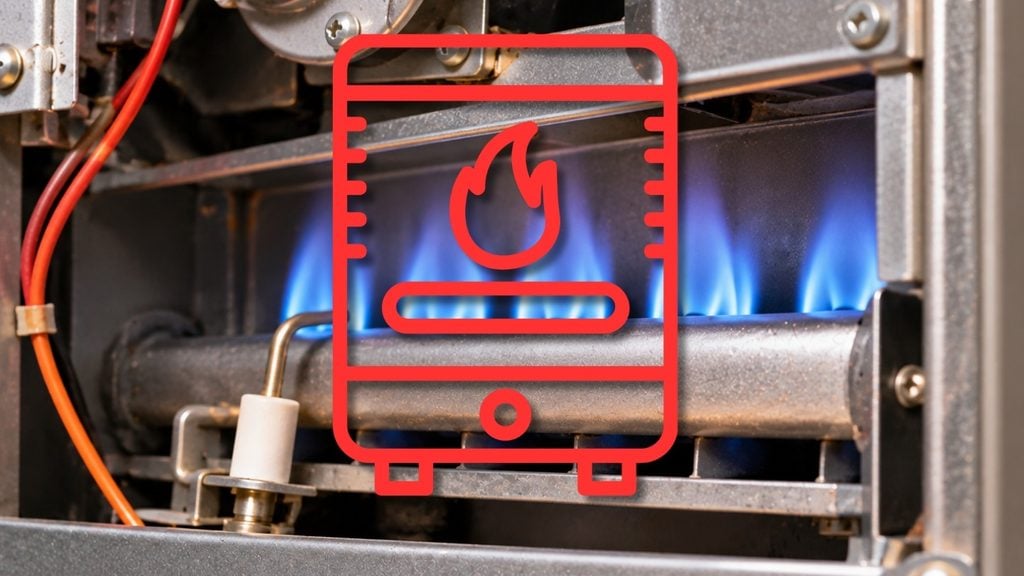
Furnace short cycling occurs when a heating system repeatedly starts and stops without completing its expected heating cycle. Instead of running long enough to satisfy the thermostat, the furnace may shut down prematurely and attempt to restart shortly afterward.
Not every short heating cycle indicates a problem. Furnaces operate differently depending on their design, thermostat settings, outdoor temperatures, and heating demand. A properly functioning system may run for shorter periods during mild weather, while colder conditions often require longer heating cycles.
The more important warning sign is a change in normal operation, particularly when the furnace repeatedly shuts off before reaching the desired indoor temperature.
Homeowners may notice several symptoms:
- The furnace starts and stops repeatedly within a short period.
- The thermostat continues calling for heat after the furnace shuts down.
- The burners turn off, but the blower continues running.
- Certain rooms remain cold despite repeated heating cycles.
- The furnace struggles to maintain a consistent indoor temperature.
These symptoms can have different causes, which is why identifying exactly what the furnace is doing is an important first step.
1. A Dirty Furnace Filter Is Restricting Airflow
One of the first things to check when a furnace keeps turning on and off is the air filter. As dust, pet hair, and other airborne particles accumulate, the filter can restrict the amount of air moving through the heating system.
A furnace needs adequate airflow to transfer heat safely and efficiently. When airflow becomes severely restricted, the heat exchanger may become too hot, causing a high-temperature safety limit to shut off the burners. The blower may continue operating to help remove excess heat before the furnace attempts another heating cycle.
This repeated pattern can resemble short cycling.
Homeowners can check the filter and replace it when necessary, following the furnace manufacturer’s recommendations. If the problem continues after installing the correct filter, the cause may involve other airflow restrictions or mechanical components.
For additional maintenance guidance, read our article, How Often Bolingbrook Homeowners Should Change Their Furnace Filter.
2. The Thermostat Is Sending Incorrect Signals
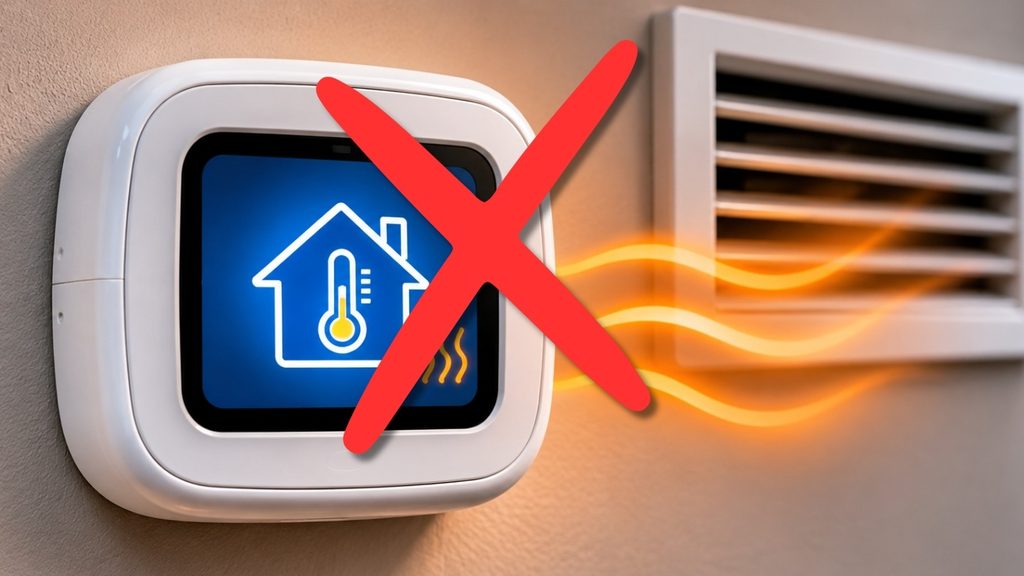
Your thermostat controls when the heating system starts and stops. If it is malfunctioning, improperly configured, or affected by its surroundings, the furnace may receive signals that interrupt normal heating cycles.
For example, a thermostat installed near a supply register, fireplace, or direct sunlight may detect temperatures that do not accurately represent conditions throughout the house. Loose wiring or electrical faults can also interfere with communication between the thermostat and furnace.
Before scheduling service, homeowners can confirm that the thermostat is set to heating mode, the requested temperature is above the current room temperature, and any applicable batteries are functioning.
If the furnace continues cycling unexpectedly, a technician can evaluate the thermostat, wiring, and system controls to determine whether they are contributing to the problem.
3. The Furnace Is Overheating
Modern gas furnaces contain safety devices designed to interrupt heating when operating conditions become unsafe. One of these devices is the high-temperature limit switch, which helps protect the equipment when temperatures inside the furnace exceed allowable limits.
Overheating can occur for several reasons, including restricted airflow, blower problems, or other conditions that prevent heat from being transferred properly.
When a high-temperature limit opens, the burners may shut off while the blower continues running. Once temperatures decrease and the control resets, the furnace may attempt another heating cycle.
Repeated overheating should never be treated as normal operation. Although replacing a dirty filter may resolve some airflow problems, persistent limit-switch shutdowns require professional diagnosis. Homeowners should not bypass, disconnect, or attempt to defeat furnace safety controls.
4. The Flame Sensor or Ignition System Has a Problem
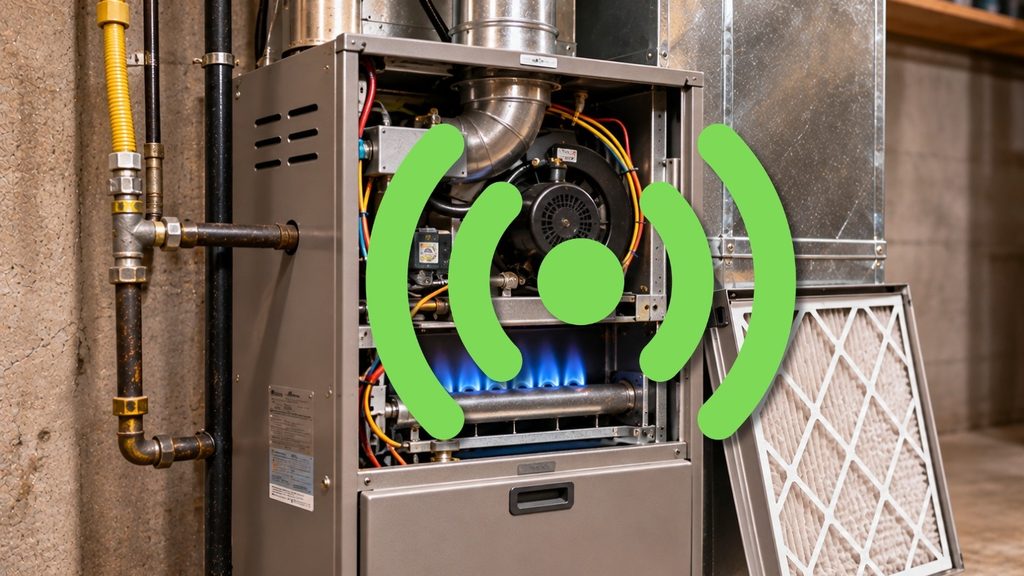
Gas furnaces rely on ignition and flame-sensing components to establish and verify safe burner operation. If the furnace cannot confirm that a stable flame is present, its safety controls may shut off the gas supply.
A homeowner might hear the furnace begin its startup sequence, notice the burners ignite briefly, and then observe the flame shutting off almost immediately.
Possible causes include a contaminated flame sensor, ignition problems, wiring faults, or issues with the gas supply and combustion system. Because several different faults can produce similar symptoms, replacing a component without testing may not solve the underlying problem.
These issues should be evaluated by a qualified HVAC technician. Gas-related components and combustion safety systems are not appropriate areas for homeowner experimentation.
5. Your Furnace May Be Too Large for Your Home
A furnace that produces more heat than the house requires may raise the indoor temperature near the thermostat quickly and shut down before heat is distributed evenly throughout the home.
This can contribute to frequent cycling, uneven temperatures, and reduced comfort. However, an oversized furnace is not the only explanation for these symptoms, and equipment size should not be blamed without evaluating other potential causes.
Proper furnace sizing depends on more than square footage. Insulation levels, windows, air leakage, layout, and local winter temperatures all affect a home’s heating requirements.
For homeowners considering replacement, a professional heating-load calculation helps determine the appropriate equipment capacity.
Our guide, How to Choose the Right Furnace for Your Chicagoland Home, explains additional factors that matter when selecting a new heating system.
6. Blower or Air Distribution Problems Are Affecting Performance
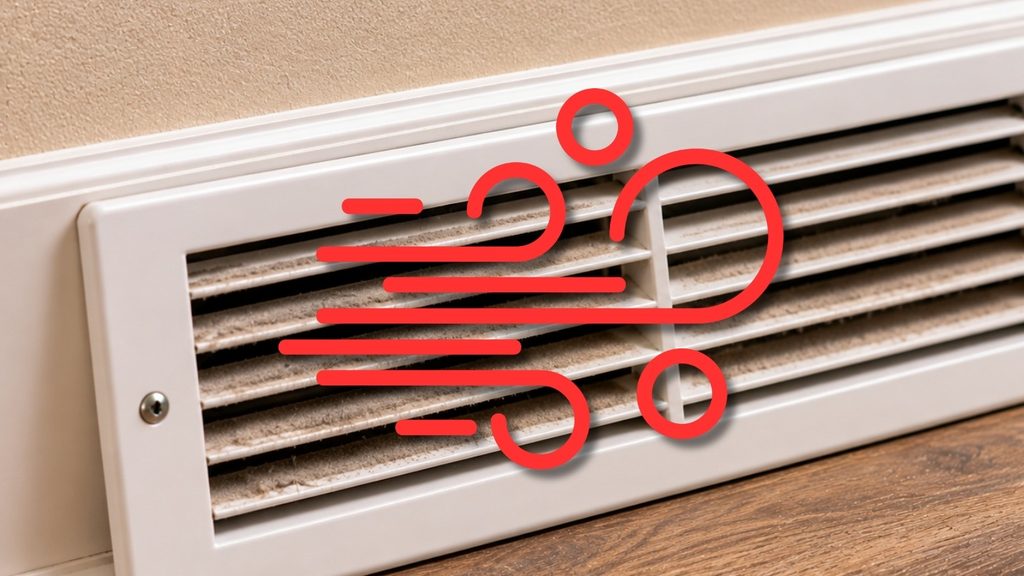
Even when a furnace generates heat correctly, the system must move that heat through the home’s ductwork.
A malfunctioning blower motor, obstructed return-air pathway, damaged ductwork, or other airflow restriction may prevent adequate circulation. In some cases, these problems can contribute to overheating and repeated safety shutdowns.
Homeowners can check whether supply registers and return-air grilles are visibly blocked by furniture, rugs, or household items. However, airflow problems involving blower performance, duct pressure, or internal components require specialized measurements.
A professional HVAC inspection can help determine whether the issue originates inside the furnace or elsewhere in the air distribution system.
How to Tell What Your Furnace Is Doing
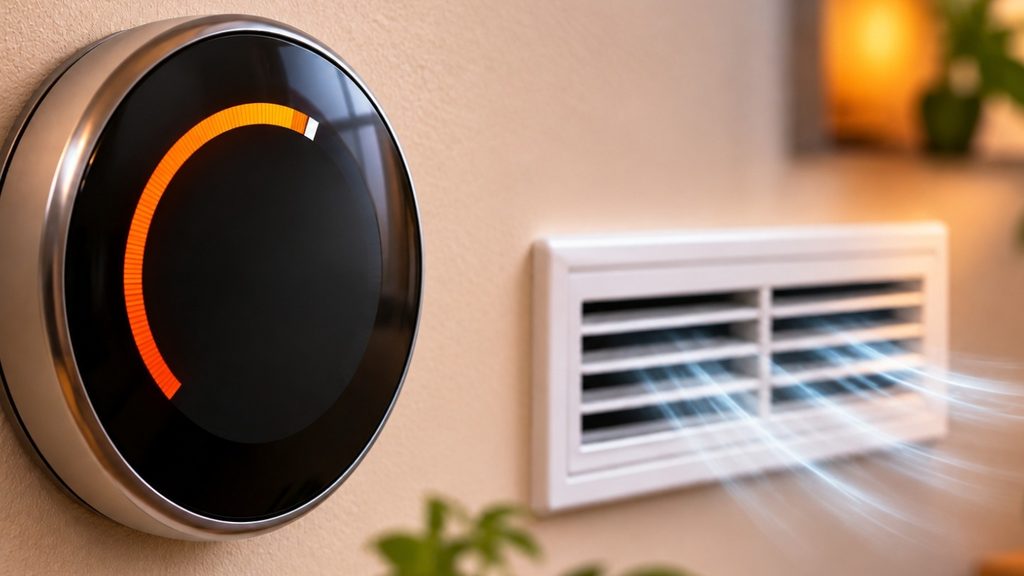
Paying attention to the sequence of events can provide useful information when describing the problem to an HVAC technician.
| What You Notice | What It Could Indicate |
| Burners ignite, then shut off almost immediately | Flame-sensing, ignition, or combustion-related problem |
| Furnace heats briefly, burners stop, and blower keeps running | Possible overheating or safety-limit operation |
| Furnace stops before reaching the thermostat setting | Thermostat, airflow, or equipment-control problem |
| Furnace cycles frequently but reaches the set temperature | Possible sizing, thermostat, or operating-condition issue |
| Furnace runs repeatedly but rooms remain cold | Heat distribution, insulation, or heating-performance problem |
These observations can help narrow the possibilities, but they do not establish a diagnosis on their own.
What Can Homeowners Safely Check?
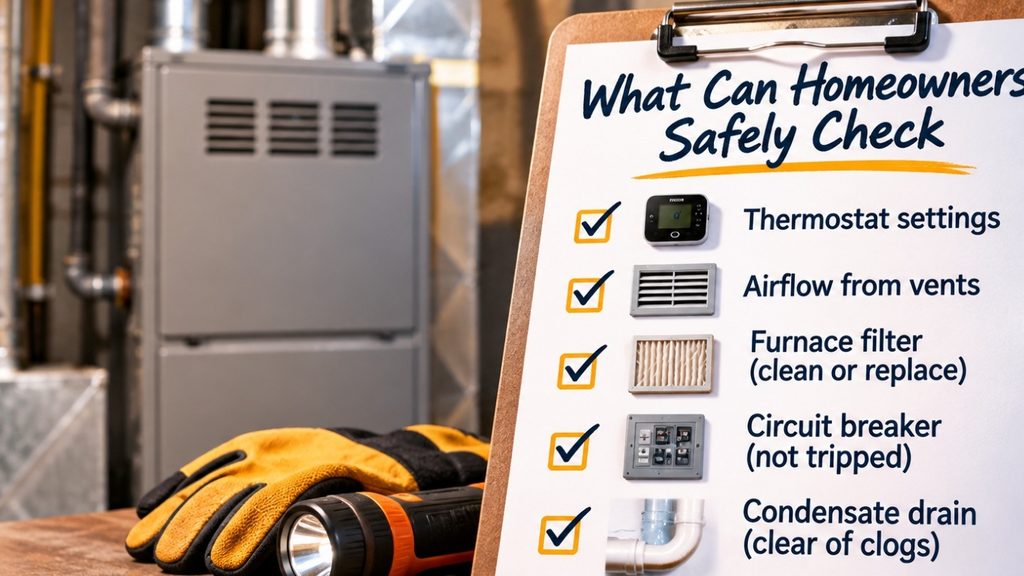
Before calling for service, there are several basic checks homeowners can perform without opening the furnace cabinet or working on internal components.
Start by confirming that the thermostat is correctly set and requesting heat. Inspect the furnace filter and replace it if necessary, using the correct size and type. Make sure supply registers and return-air grilles are not obstructed, and look for any error messages displayed on the thermostat or furnace’s external diagnostic display.
If the furnace continues to shut down unexpectedly, avoid repeatedly resetting the equipment in an attempt to force it to operate. Repeated shutdowns may indicate that a protective control is responding to an underlying problem.
If you smell natural gas, leave the building immediately and contact your gas utility or emergency services from a safe location. If a carbon monoxide alarm sounds, evacuate and follow emergency instructions. Do not continue operating a furnace that may present a combustion safety hazard.
When Should You Call for Furnace Repair?
A furnace that occasionally runs a shorter heating cycle may be operating normally. However, repeated shutdowns, inconsistent heating, unusual noises, error codes, or a furnace that cannot maintain the thermostat setting deserve attention.
A qualified technician can inspect the heating sequence, measure airflow and temperature rise, evaluate electrical controls, and determine whether safety devices are operating correctly. Depending on the symptoms, testing may also include ignition components, venting, and combustion performance.
The goal is to identify the cause of the problem rather than replacing parts based on assumptions.
Frequently Asked Questions About Furnace Short Cycling
Can a dirty furnace filter cause short cycling?
Yes. A severely restricted filter can reduce airflow and contribute to overheating, which may cause a furnace’s high-temperature safety control to shut off the burners. However, not every short-cycling problem is caused by a dirty filter.
Is it dangerous if my furnace keeps turning on and off?
It depends on the cause. Some cycling problems involve thermostat settings or airflow restrictions, while others can involve overheating or combustion-related safety controls. Persistent abnormal cycling should be professionally evaluated.
Will short cycling increase my heating bill?
Frequent cycling can contribute to inefficient operation, particularly when the system repeatedly starts and stops without heating the home effectively. The actual energy impact depends on the equipment and the underlying problem.
Should I replace my furnace if it keeps short cycling?
Not necessarily. Many short-cycling problems can be repaired without replacing the furnace. A technician should evaluate the equipment’s condition, age, repair needs, and suitability for the home before recommending replacement.
Furnace Keeps Turning On and Off? Windy City HVAC Repair Can Help
A furnace that repeatedly starts and stops can leave your home uncomfortable and make it difficult to know whether the problem is minor or requires professional attention. Identifying the cause early can help prevent continued interruptions and unnecessary repairs. That is where finding a trustworthy HVAC company comes into play.
Windy City HVAC Repair provides heating repair and diagnostic services for homeowners throughout Bolingbrook, Naperville, Plainfield, Lemont, and surrounding Chicagoland communities. Our team focuses on identifying the problem, explaining the available options, and helping homeowners make informed decisions about their heating equipment.
If your furnace keeps turning on and off, contact Windy City HVAC Repair to schedule a professional evaluation.
Call 312-500-4822 or visit hvacchicago.com to request service.