
How to Choose the Right Furnace for Your Chicagoland Home

Replacing a furnace is not something most homeowners do very often. When the time comes, choosing the right furnace for your Chicagoland home can be surprisingly complicated.
How many BTUs do you need? Is a high-efficiency furnace worth the additional cost? Should you choose a single-stage, two-stage, or variable-speed system? Does the furnace brand matter? And how do you know whether the system being recommended is actually right for your house?
With Chicagoland’s long heating season and cold winter temperatures, your furnace has an important job. But buying the biggest, most efficient, or most expensive furnace isn’t necessarily the answer.
The right furnace is one that is properly sized for your home, works with your existing HVAC system and ductwork, provides the level of comfort and efficiency you want, and is installed correctly.
Here’s what homeowners should understand before choosing a new furnace.
What Is the Best Furnace for a Chicagoland Home?
There isn’t one furnace that’s best for every home in the Chicago area.
The right choice depends on your home’s heating requirements, size, insulation, windows, ductwork, existing HVAC equipment, comfort preferences, efficiency goals, and budget.
That’s why furnace shopping shouldn’t start with a particular brand or model. It should start with your home.
Start With Your Home, Not a Furnace Brand
Two Chicagoland homes with the same square footage can have very different heating needs.
An older house with limited insulation, drafty windows, high ceilings, and significant air leakage may require a different heating solution than a newer, well-insulated home of the same size. The home’s layout, number of floors, existing ductwork, and persistent hot or cold rooms can also influence which system makes sense.
This is why selecting a furnace from an online sizing chart or choosing the model with the best specifications can be misleading. A furnace that performs well in one house isn’t automatically right for another.
A good furnace recommendation should begin with an evaluation of the home and its existing HVAC system.
What Size Furnace Do You Actually Need?
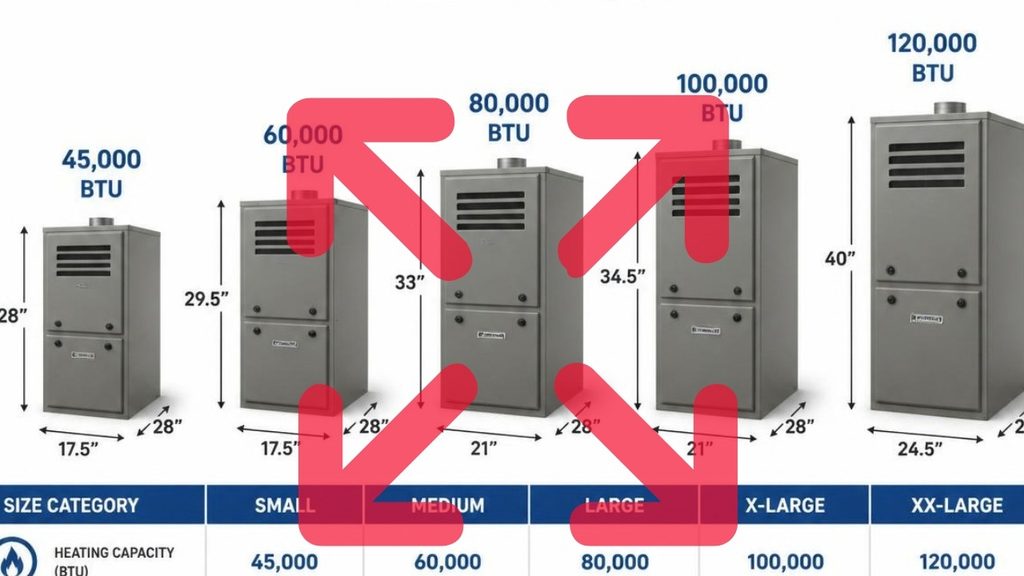
Furnace capacity is commonly measured in BTUs, or British thermal units. In simple terms, BTUs describe how much heating capacity a furnace can provide.
You’ll find plenty of online charts that recommend furnace sizes based on a home’s square footage. While these can provide a rough estimate, square footage alone isn’t enough to properly select a furnace.
The home’s insulation, windows, air leakage, ceiling heights, construction, and other characteristics all affect how much heat it needs. A heating load calculation provides a much better picture of the home’s actual heating requirements.
Bigger Isn’t Always Better
It’s easy to assume that a larger furnace provides extra protection during a Chicago winter. If a certain amount of heating capacity is good, wouldn’t a little extra be even better?
Not necessarily.
A furnace that is too large for the home may heat it quickly and shut down, only to turn on again shortly afterward. This repeated starting and stopping is commonly called short cycling. Improper sizing can contribute to uneven temperatures, shorter heating cycles, unnecessary energy use, reduced comfort, and additional equipment wear.
A furnace that is too small presents the opposite problem and may have difficulty maintaining the desired indoor temperature during demanding winter conditions.
The goal isn’t to install the largest furnace possible. It’s to install one that is appropriately sized for your home’s heating needs.
Windy City Tip: Don’t be afraid to ask how an HVAC contractor determined the furnace size they’re recommending. A recommendation should be based on the needs of your home, not simply the size of the furnace that’s already there.
Understanding Furnace Efficiency and AFUE
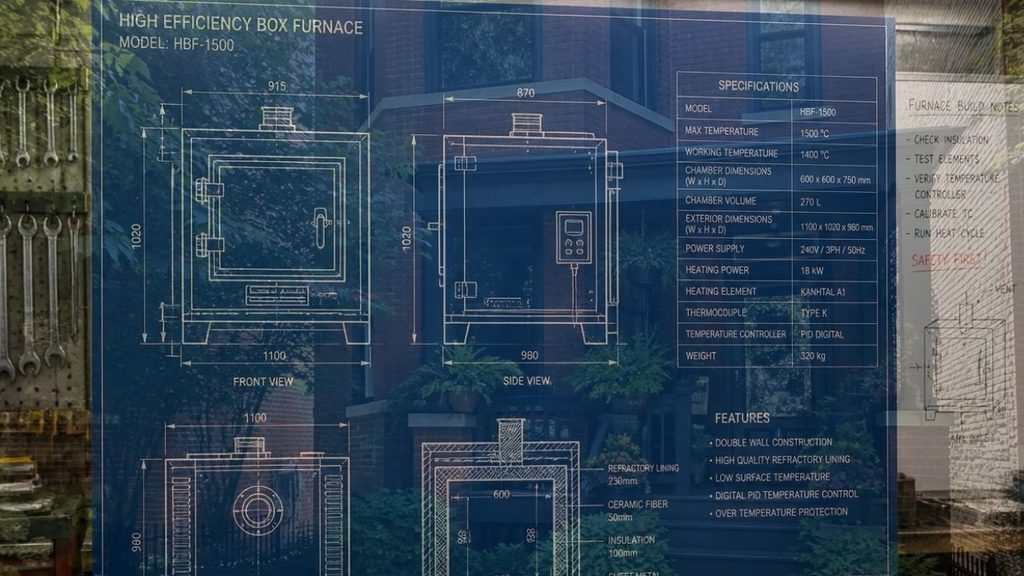
Once you’ve determined how much heating capacity your home needs, efficiency becomes another important consideration.
Furnace efficiency is commonly expressed as AFUE, or Annual Fuel Utilization Efficiency. AFUE is a seasonal measure of how efficiently a furnace converts fuel energy into usable heat.
For example, an 80% AFUE furnace has an annual fuel utilization efficiency of approximately 80%, meaning about 80% of the fuel’s energy is converted into useful heat over a typical heating season.
A higher AFUE means a greater percentage of the fuel’s energy is being converted into usable heat.
But that doesn’t automatically mean every homeowner should purchase the furnace with the highest AFUE available.
| Furnace Efficiency | Potential Advantage | What to Consider |
| Around 80% AFUE | Lower initial equipment cost in many situations | More fuel energy is lost than with higher-efficiency equipment |
| 90%+ AFUE | Greater fuel efficiency | Venting and installation requirements may be different |
| 95%+ AFUE | High fuel efficiency | Higher upfront costs may not provide the same value for every home |
Instead of asking, “What’s the most efficient furnace I can buy?”, consider asking, “Which efficiency level makes the most sense for my home?”
Is a High-Efficiency Furnace Worth It in Chicagoland?
For some homeowners, yes. For others, paying for the highest available efficiency may not provide enough additional benefit to justify the upfront cost.
Chicagoland homeowners rely heavily on their heating systems during winter, so efficiency is an important consideration. However, AFUE is only one part of the decision.
Consider the efficiency and condition of your current furnace, expected energy use, installation requirements, utility costs, upfront price difference, and how long you expect to remain in the home.
Installation requirements matter too. Moving from certain older furnaces to high-efficiency condensing equipment may require changes to venting or condensate drainage. That means comparing equipment prices alone may not reveal the complete cost of upgrading.
A good HVAC contractor should be able to explain what you’re gaining by moving to a higher-efficiency furnace and what will be required to install it properly.
Single-Stage, Two-Stage, or Modulating Furnace?
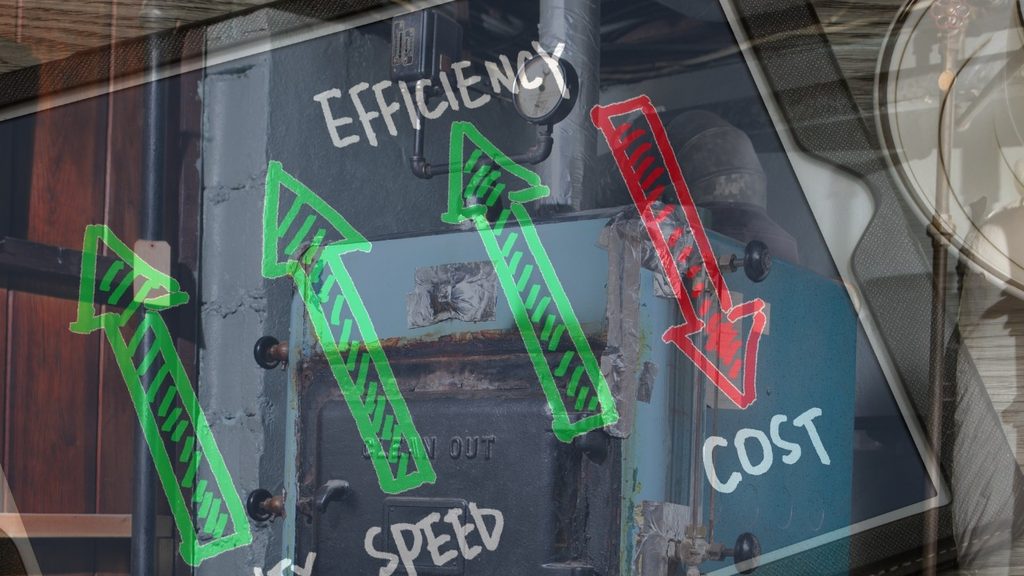
Efficiency isn’t the only specification that affects how your furnace performs. You’ll also need to consider how the system delivers heat.
A single-stage furnace essentially operates at one heating output whenever it is running. These systems are generally simpler and may have a lower initial equipment cost.
A two-stage furnace has a lower and higher heating output. During milder weather, it can operate at the lower stage and increase its output when the home needs more heat. Since every Chicagoland winter day doesn’t require maximum heating capacity, this can allow the system to run for longer periods at lower output and may help maintain more consistent indoor temperatures.
A modulating furnace can adjust its heating output across a broader range, allowing it to more closely match the home’s changing heating demand. These systems are generally positioned toward the premium end of the market and can provide excellent temperature control, although not every homeowner needs that level of equipment.
There isn’t a universally correct choice. The decision comes down to how you want to balance upfront cost, efficiency, and comfort.
What Does Variable Speed Mean?
You’ll often hear terms such as “two-stage” and “variable-speed” used together, but they don’t mean the same thing.
Staging generally describes the furnace’s heating output. Variable speed typically refers to the blower motor and its ability to adjust airflow through the HVAC system.
Depending on the equipment, a variable-speed blower can provide more consistent airflow, quieter operation, improved air circulation, and better temperature control.
This is another reason it’s important to compare complete furnace systems instead of making your decision based on one specification.
Don’t Ignore Your Ductwork
You can purchase excellent heating equipment and still be disappointed if the rest of your HVAC system can’t properly support it.
Your furnace and ductwork work together to heat your home. Restricted airflow, undersized ducts, inadequate return air, leaks, and poorly balanced ductwork can all affect comfort and system performance.
If one bedroom is always cold or the second floor never seems as comfortable as the first, mention those problems before replacing your furnace. A new furnace by itself may not correct an underlying airflow or ductwork issue.
This can be particularly important in older Chicagoland homes where additions, renovations, or previous HVAC replacements may have changed the home’s heating needs over time.
Should You Replace Your Furnace and Air Conditioner Together?
Not necessarily.
In many central HVAC systems, the furnace blower also helps circulate conditioned air during cooling season. That means your furnace isn’t completely independent from the rest of your HVAC equipment.
If your air conditioner is relatively new, in good condition, and compatible with the new furnace, there may be no reason to replace it simply because you’re replacing your heating equipment.
However, if both systems are older, it’s worth discussing their condition, compatibility, efficiency, and expected remaining lifespan before making a decision.
Replacing both at the same time can make sense in some situations. In others, replacing only the furnace is the better choice. What matters is understanding how the equipment will work together. If you’re replacing both, it’s worth comparing a heat pump as well.
Should You Repair Your Current Furnace Instead?
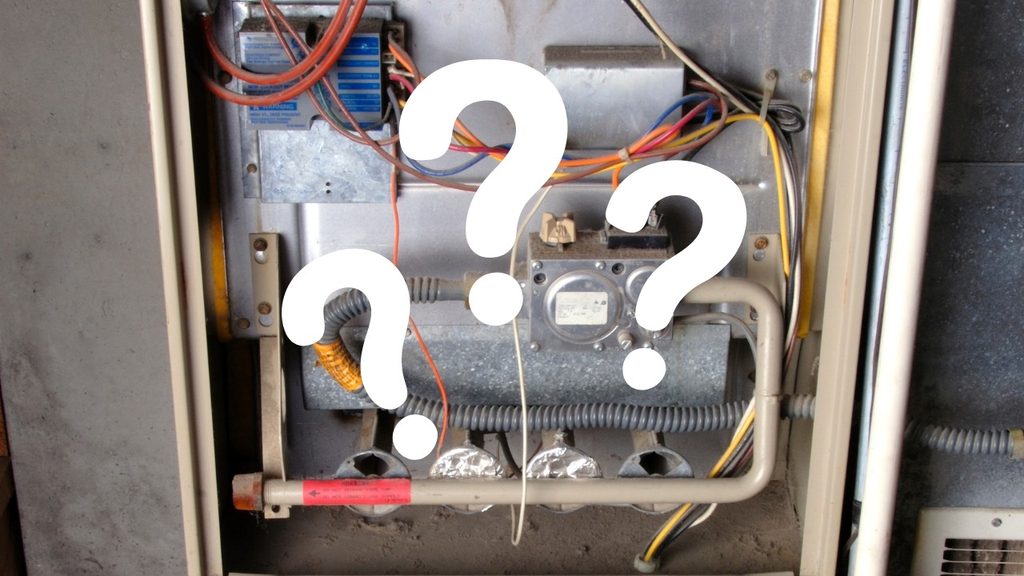
Before choosing a replacement furnace, make sure replacement is actually the right next step.
A furnace problem doesn’t automatically mean you need a new system. The age and overall condition of the equipment, repair history, efficiency, reliability, and cost of the current repair should all be considered.
A relatively minor repair on an otherwise dependable furnace may be worthwhile. If an older furnace is becoming increasingly unreliable or requires expensive repairs, comparing repair and replacement options may make more sense.
The goal should be to make the best decision for the home, not replace equipment simply because something went wrong. If replacement makes sense, here’s what furnace replacement in Bolingbrook with us looks like.
Does Furnace Brand Matter?
Yes, but probably not as much as many homeowners expect.
It’s natural to search for the “best furnace brand,” but the name on the equipment is only one part of the decision.
The specific model, efficiency, features, warranty, parts availability, sizing, compatibility with your home, and quality of installation all matter.
A premium furnace that is incorrectly sized or poorly installed isn’t automatically a better heating system.
Instead of asking an HVAC contractor only which furnace brand is best, ask why they’re recommending a particular model for your home.
There should be a clear answer.
Don’t Compare Furnace Quotes by Price Alone
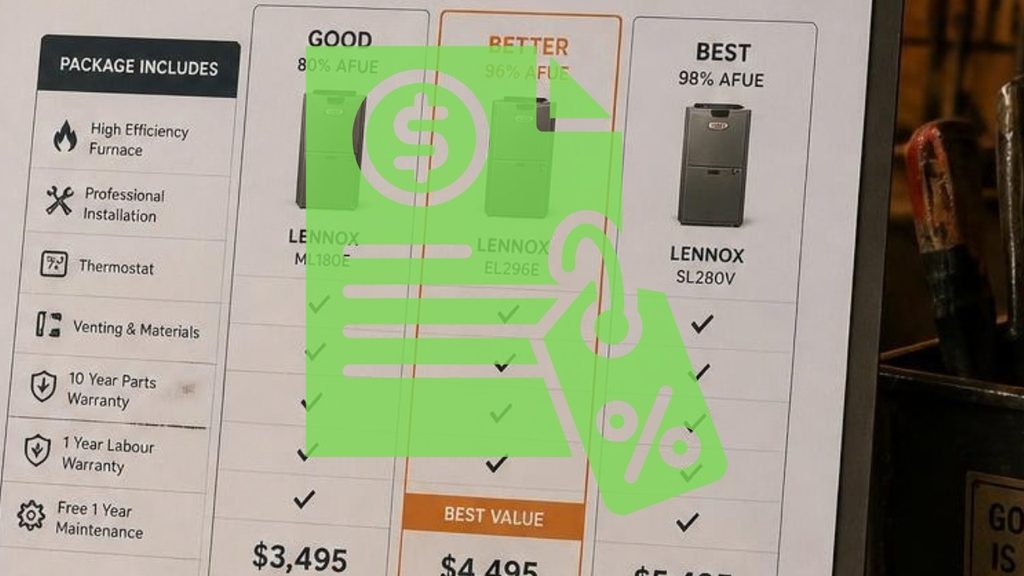
Furnace replacement is a significant home expense, so price should absolutely be part of your decision. The problem comes when homeowners compare two numbers without comparing what those numbers actually include.
Furnace capacity, efficiency, staging, blower technology, installation complexity, venting requirements, thermostat or control upgrades, ductwork modifications, and other site-specific conditions can all affect the total cost.
Two contractors may also be proposing very different systems.
Before choosing the lowest or highest quote, make sure you understand what equipment is being installed, why it was selected, what work is included, and what warranties apply.
If you’re trying to understand what can affect heating repair expenses before deciding whether to repair or replace your existing system, our guide to furnace repair costs in Bolingbrook explains many of the factors that can influence the final repair bill.
What Should You Bring Up During a Furnace Estimate?
A furnace estimate should be more than a contractor looking at your old equipment and giving you a price.
Tell the technician about anything you’ve noticed with your existing system. Are certain rooms consistently colder? Does the furnace run constantly during very cold weather? Is the system unusually loud? Have your energy bills changed? Have you needed several repairs recently?
It can also be helpful to know approximately how old your furnace and air conditioner are and whether you’re considering replacing the cooling system in the near future.
These details give the contractor a better understanding of what you want to improve, not just what equipment needs to be replaced.
Five Questions to Ask Before Choosing a Furnace
You don’t need to become an HVAC expert before buying a furnace. You should, however, understand why you’re buying the system being recommended.
Before approving a furnace replacement, make sure you can answer these questions:
- How was the recommended furnace size determined?
- Why does this efficiency level make sense for my home?
- What would I gain by choosing single-stage, two-stage, or modulating equipment?
- Are my existing ductwork, air conditioner, thermostat, and other HVAC components compatible?
- What exactly is included in the installation and warranty?
If those answers make sense to you, you’re in a much better position to compare your options.
Need Help Choosing the Right Furnace? Call Windy City HVAC Repair
Choosing a new furnace shouldn’t feel like guessing between model numbers, efficiency ratings, and sales pitches.
At Windy City HVAC Repair, we help Chicagoland homeowners understand their options and determine what makes sense for their home, existing HVAC system, comfort goals, and budget.
Whether your current furnace has stopped working, you’re facing another expensive repair, or you’re planning ahead before an aging system fails, our team can evaluate your heating system and discuss your options with you.
We provide furnace repair and replacement throughout Bolingbrook, Naperville, Plainfield, Downers Grove, Frankfort, Homer Glen, and surrounding Chicagoland communities.
Don’t wait until your furnace quits on one of the coldest days of the year. Contact Windy City HVAC Repair today to schedule furnace service or talk with our team about your replacement options.
Frequently Asked Questions About Choosing a Furnace
What type of furnace is best for a home in Illinois?
There isn’t one furnace type that’s best for every Illinois home. The right choice depends on the home’s heating requirements, existing HVAC system, fuel source, ductwork, efficiency goals, comfort preferences, and budget. Proper sizing and installation can be just as important as choosing a particular furnace type or brand.
What AFUE rating is best for a Chicagoland home?
The appropriate AFUE rating depends on the home and homeowner’s priorities. Higher AFUE ratings indicate greater fuel efficiency, but higher-efficiency equipment may also cost more and have different installation requirements. Consider expected energy use, installation cost, your existing furnace, and how long you expect to own the home.
Is a 96% efficient furnace worth it in Illinois?
It can be. Illinois homeowners can use their furnaces extensively during the heating season, making efficiency an important consideration. Whether a 96% AFUE furnace makes financial sense for you depends on your existing equipment, energy usage, utility costs, installation requirements, upfront price difference, and expected years of ownership.
How do I know what size furnace I need?
Furnace size shouldn’t be determined by square footage alone. Proper sizing considers the home’s heating load and factors such as insulation, windows, air leakage, construction, ceiling heights, and local climate conditions. An HVAC professional can evaluate these factors when recommending furnace capacity.
Can a furnace be too big for my house?
Yes. An oversized furnace can heat a home quickly and shut off repeatedly, potentially contributing to short cycling, temperature swings, reduced comfort, and unnecessary equipment wear. The goal is to properly size the furnace rather than install the largest system possible.
Is a two-stage furnace worth the extra money?
It can be for homeowners who value more consistent indoor temperatures and comfort. A two-stage furnace can operate at a lower heating output when full capacity isn’t needed and increase output when heating demand rises. Whether the additional cost is worthwhile depends on your home, budget, and comfort priorities.
Should I replace my furnace and AC at the same time?
Not necessarily. If your air conditioner is in good condition and compatible with the new furnace, replacing both may not be necessary. If both systems are older, it is worth discussing their compatibility, efficiency, condition, and expected remaining lifespan before making the decision.
Does ductwork affect which furnace I should buy?
Yes. Your duct system needs to properly distribute airflow throughout your home. Restricted ducts, inadequate return air, leaks, poor balancing, or other ductwork problems can affect comfort and HVAC performance even after installing a new furnace.
Does furnace brand matter?
Brand is one consideration, but it shouldn’t be the only factor in your decision. The specific furnace model, efficiency, features, warranty, parts availability, proper sizing, system compatibility, and installation quality should all be considered.
How long should a furnace last in Illinois?
There isn’t an exact lifespan that applies to every furnace. Equipment quality, installation, maintenance, usage, operating conditions, and repair history can all affect longevity. If an older furnace is becoming unreliable, inefficient, or increasingly expensive to repair, it may be time to compare the cost and benefits of repair versus replacement.
What should I ask an HVAC contractor before buying a furnace?
Ask how the furnace was sized, why the contractor recommends that particular efficiency and model, whether your existing ductwork and HVAC equipment are compatible, what modifications are required, what the installation includes, and what warranties apply. A contractor should be able to clearly explain why the recommended furnace makes sense for your home.