
How to Prepare Furnace for Winter: A Chicagoland Homeowner’s Guide
Your furnace may have been mostly quiet for months. Soon, it could be running every day.
The best time to find out something changed is not during the first freezing night of a Chicagoland winter. Fall gives homeowners an opportunity to test their heating systems, take care of basic maintenance, and address potential furnace problems before colder weather arrives.
Whether you live in Chicago or the surrounding suburbs, preparing your furnace for winter does not mean taking the equipment apart or trying to diagnose complicated HVAC problems yourself. A few simple homeowner checks can tell you a lot about how your system is operating, while professional furnace maintenance can address the components that require specialized training.
Here is how to get your furnace ready for another Chicago winter.
Test Your Furnace Before You Actually Need It
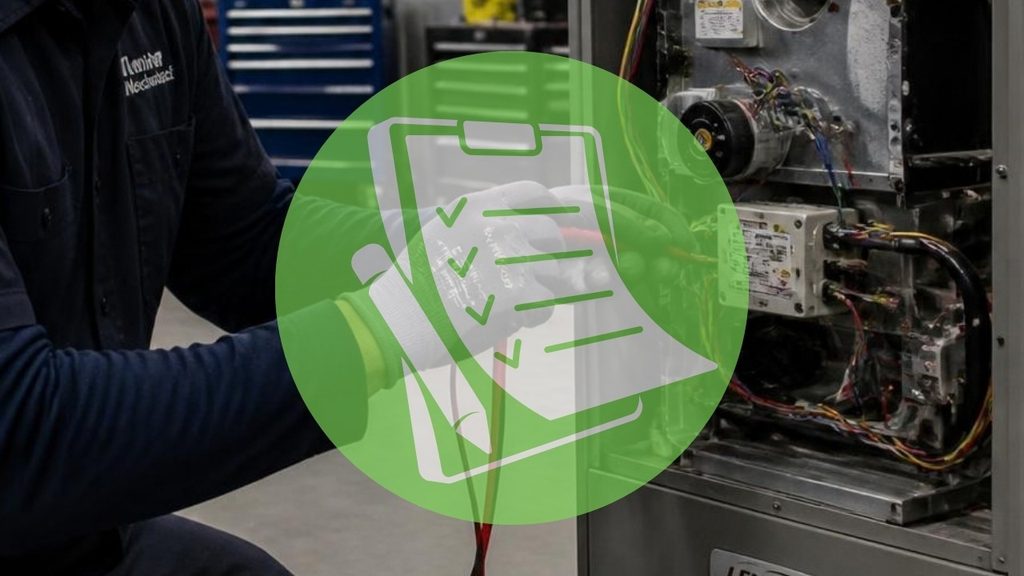
One of the most important steps is also one of the easiest: turn your furnace on before the first really cold day.
Choose a cool fall morning, switch your thermostat to heat, and raise the temperature enough to call for heating. Give the furnace time to start and complete a normal heating cycle.
Instead of simply checking whether it turns on, pay attention to how it operates. Warm air should eventually reach your supply registers, and the system should be able to heat your home without repeatedly starting and stopping.
Listen for sounds you do not remember from last winter. Pay attention to unusual odors. Walk through several rooms and see whether the airflow and temperatures seem reasonably consistent.
If something seems different, you have discovered it while the weather is still mild rather than when your home is getting colder by the hour.
That is valuable whether you are preparing a furnace for winter in Bolingbrook, Naperville, Chicago, or another community in Cook, DuPage, or Will County.
Give Your Heating System a Basic Fall Check
Before your furnace begins another season of regular use, take a few minutes to check the things around the system that homeowners can safely handle.
Check the Furnace Filter
Start with the air filter. A dirty filter can restrict airflow through your HVAC system and make it more difficult for the equipment to move heated air throughout your home.
ENERGY STAR recommends checking furnace filters monthly and cleaning or replacing them when they are dirty. How frequently a filter needs replacement depends on the filter, your system, household conditions, and manufacturer recommendations.
Fall is a good time to start the heating season with a filter that is appropriate for your system and in good condition.
If you are unsure which filter your furnace requires, do not assume that buying the most restrictive filter available is automatically better. Your HVAC system still needs proper airflow.
Make Sure Vents and Returns Are Clear
Walk through your home and check supply registers and return-air grilles. Furniture, rugs, curtains, boxes, and other household items can unintentionally interfere with airflow.
While you are doing this, think about how your house felt last winter.
Was one bedroom always colder than the rest of the house? Did the upstairs struggle to stay comfortable? Did certain registers have noticeably weaker airflow?
Those issues are worth mentioning during a furnace service appointment. Uneven heating does not automatically mean the furnace needs replacement. Airflow, ductwork, insulation, equipment operation, and the layout of the home can all contribute to comfort problems.
Clear the Area Around the Furnace
Take a look at the area surrounding your furnace and make sure it is accessible and free of clutter.
Besides being a good general safety practice, keeping the equipment accessible makes inspection and service easier if a technician needs to work on the system.
What Should Happen When You Turn Your Furnace On for the First Time?
The first heating cycle after months of warm weather can raise a few questions. Homeowners often notice a smell, hear a sound they do not remember, or simply wonder whether the furnace is operating normally.
During that first test, focus on four things: heat, airflow, sound, and smell.
Your furnace should eventually produce warm air, and that air should move through the home with reasonable airflow. The system should also be capable of completing a heating cycle without repeatedly shutting down and restarting.
Some operating noise is normal. What matters is whether you hear something new, persistent, or unusually loud.
The same principle applies to odors.
Is It Normal for a Furnace to Smell When You First Turn It On?
A temporary dusty odor can occur when heating equipment is first used after sitting idle. That does not mean every burning or unusual odor should be dismissed as normal.
A persistent burning smell, electrical odor, visible smoke, or another strong or unfamiliar odor deserves attention. If you suspect a natural gas leak, leave the area and follow your gas utility’s emergency instructions rather than attempting to find the source yourself.
It is also important to remember that carbon monoxide does not have an odor. The U.S. Consumer Product Safety Commission describes carbon monoxide as a colorless, odorless gas.
That is why furnace preparation should also include checking your home’s carbon monoxide alarms.
Don’t Forget Carbon Monoxide Safety
Carbon monoxide alarms are an important part of any home with fuel-burning appliances.
The U.S. Consumer Product Safety Commission recommends installing CO alarms on every level of the home and outside sleeping areas. CPSC also recommends testing alarms monthly and having fuel-burning home heating systems professionally inspected every year.
If a carbon monoxide alarm sounds, move outside to fresh air and contact emergency services. Do not try to locate the source yourself or re-enter the home until emergency responders say it is safe.
Carbon monoxide alarms provide an important layer of protection, but they are not a substitute for properly maintained heating equipment.
Your Pre-Winter Furnace Checklist
You do not need to perform a complicated inspection yourself. A useful homeowner furnace check can be completed fairly quickly:
- Check the furnace filter and clean or replace it if appropriate.
- Make sure supply registers and return grilles are unobstructed.
- Clear unnecessary items from around the furnace.
- Set your thermostat to heat and test the system.
- Confirm that warm air is reaching your rooms.
- Listen for new or unusually loud noises.
- Pay attention to unfamiliar odors.
- Watch for repeated starting and stopping.
- Notice rooms with unusually weak airflow or poor heating.
- Test your smoke and carbon monoxide alarms.
If everything seems normal, that is reassuring. If something has changed since last winter, fall is the time to find out why.
What If Your Furnace Isn’t Working Normally?
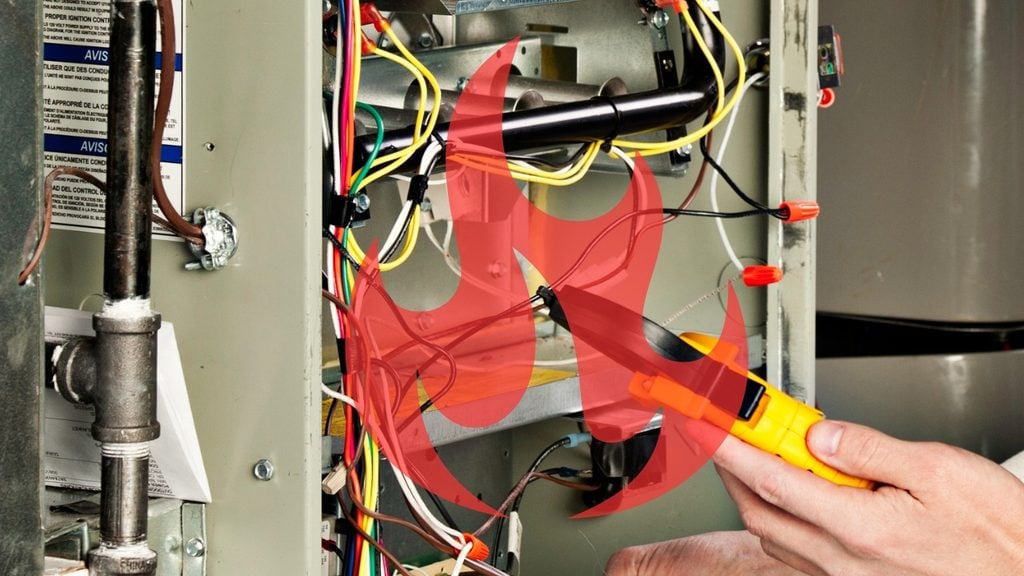
Not every furnace problem means you need a major repair or a new heating system. However, knowing where basic homeowner troubleshooting should end is important.
If your furnace will not turn on, start with the simple things. Confirm that the thermostat is set to heat and calling for a temperature above the current room temperature. Make sure the furnace has power, check for a tripped circuit breaker, inspect the filter, and make sure vents and returns are not blocked.
If those basic checks do not solve the problem, avoid taking apart the equipment or trying to diagnose internal components yourself.
Furnace Blowing Cold Air
If your furnace is blowing cold air, first check the thermostat settings and determine whether the cool air occurs only briefly during startup or continues while the furnace should be heating.
Persistent cold air can have several possible causes involving airflow, controls, ignition or combustion, blower operation, ductwork, or other components. If the furnace is running but your home is not getting warm, professional diagnosis is the better next step.
Furnace Keeps Turning On and Off
Your furnace is supposed to cycle as your home needs heat. The concern is when those cycles become noticeably short or frequent.
If the furnace starts, shuts down shortly afterward, and repeatedly starts again without comfortably heating the home, make note of what is happening. Knowing approximately how long the system runs, how often it restarts, and whether your home ever reaches the thermostat setting can be helpful information for an HVAC technician.
Furnace Making Strange Noises
Furnaces and ductwork naturally make some noise, but a new or unusually loud sound deserves attention.
Banging, grinding, squealing, repeated clicking, or persistent rattling can indicate that something has changed. This is especially important when a new noise appears alongside weak airflow, poor heating, unusual odors, or changes in how frequently the furnace cycles.
You do not need to identify the component causing the noise. Recognizing that the furnace sounds different is enough reason to have it evaluated.
Something Doesn’t Seem Right? Address It Before Winter.
A furnace does not have to stop working completely before you call an HVAC company.
If your heating system is making a new noise, struggling to keep the house comfortable, producing an unusual odor, cycling differently, or simply is not operating the way you remember, Windy City HVAC Repair can help you figure out what is happening before winter arrives.
We provide furnace maintenance and repair throughout Chicago and the surrounding suburbs in Cook, DuPage, and Will counties, including Bolingbrook, Naperville, Downers Grove, Orland Park, Frankfort, Plainfield, Homer Glen, and many other Chicagoland communities.
Call Windy City HVAC Repair at (312) 500-4822 to schedule furnace service before the cold weather arrives.
What Furnace Maintenance Can You Do Yourself?
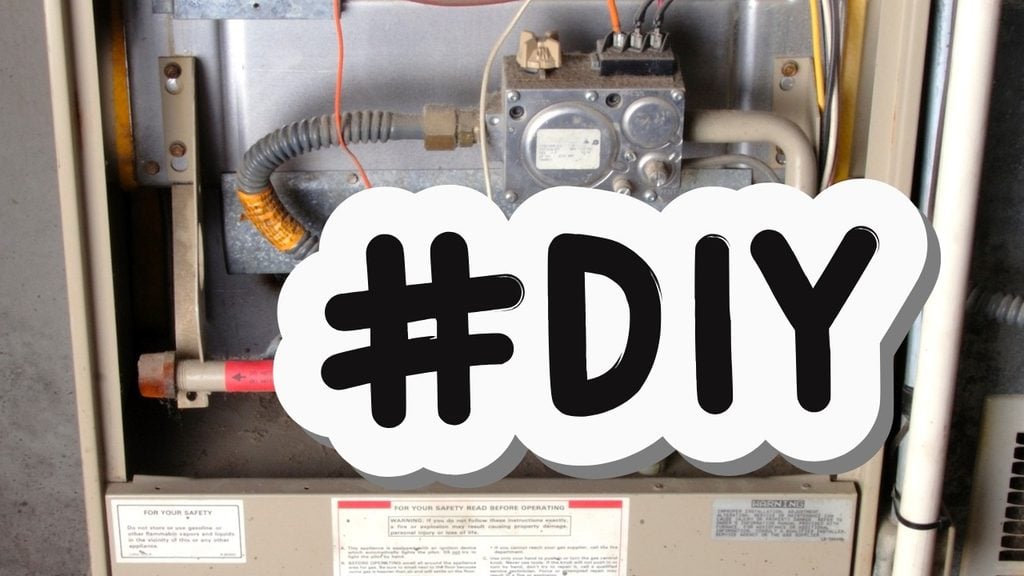
There is an important difference between preparing your furnace for winter and servicing your furnace yourself.
Homeowners can handle basic tasks such as checking thermostat operation, inspecting an accessible filter, clearing blocked supply and return vents, keeping the area around the furnace free of clutter, testing smoke and carbon monoxide alarms, and observing how the system operates.
Internal furnace maintenance is different.
ENERGY STAR’s professional HVAC maintenance checklist includes checking electrical connections, system controls, starting cycles, gas or oil connections, gas pressure, burner combustion, and the heat exchanger.
Those are jobs for a qualified HVAC professional, not a fall DIY project.
If you reach the point where you need to remove panels, work around electrical components, troubleshoot gas or combustion equipment, or determine why an internal component is malfunctioning, it is time to stop troubleshooting and call a professional.
Do You Really Need Furnace Maintenance Every Fall?
There is a reason fall is commonly recommended for heating-system maintenance.
ENERGY STAR recommends annual pre-season HVAC checkups and specifically recommends having the heating system checked in the fall, before the winter heating season. CPSC also recommends annual professional inspections of fuel-burning home heating systems.
Professional furnace maintenance goes beyond changing an air filter. It gives a trained technician an opportunity to evaluate how the system starts, operates, and shuts down, inspect appropriate electrical and safety controls, assess system operation, and inspect combustion-related components where applicable.
It is also your opportunity to mention the things that may not be obvious during an inspection.
Tell the technician if a particular room never gets warm enough. Mention the new sound you heard last winter. Explain if the furnace seems to run much longer than it used to or if your home has become harder to keep comfortable.
Those details provide valuable context about how the system is performing in the real world.
What If Your Furnace Worked Fine Last Winter?
If your furnace worked well last winter, that is a positive sign. It is not a guarantee that nothing has changed.
Your heating system has gone through another off-season. Filters become dirty, components age, and conditions within the HVAC system can change.
The purpose of testing your furnace in fall is not to assume there is a problem. It is simply to make sure the system still starts and operates as expected before you depend on it every day.
A mild October afternoon is a much better time to discover a heating problem than a freezing January night.
Should You Repair or Replace an Older Furnace Before Winter?
Age alone does not determine whether a furnace needs replacement.
An older furnace that has been dependable, maintained, and continues to heat the home properly presents a very different situation from an older system experiencing repeated breakdowns, expensive repairs, poor comfort, or declining performance.
ENERGY STAR suggests considering replacement when a furnace or boiler is more than 15 years old, particularly when the equipment also needs frequent repairs or energy bills are increasing. That is a useful point to begin evaluating your options, rather than an automatic expiration date for every furnace.
If your furnace needs a significant repair before winter, look at the bigger picture. Consider its condition, repair history, efficiency, reliability, comfort, and the cost of the current repair.
If replacement makes more sense, our How to Choose the Right Furnace for Your Chicagoland Home guide explains furnace sizing, AFUE ratings, single-stage and two-stage equipment, variable-speed technology, ductwork, and other factors worth understanding before choosing your next furnace. Ready for a quote? See furnace replacement in Bolingbrook.
Get Your Furnace Ready Before Chicagoland Gets Cold
Preparing your furnace for winter does not need to be complicated.
Check the filter. Make sure vents and returns are clear. Turn the heat on before you actually need it. Pay attention to how the furnace starts, sounds, smells, and heats your home. Test your carbon monoxide alarms. Most importantly, do not ignore something that seems different simply because the furnace is still running.
The goal is not to become your own HVAC technician. It is to recognize potential problems early enough to have them addressed before your furnace becomes one of the hardest-working systems in your home.
Schedule Your Fall Furnace Service With Windy City HVAC Repair
The best time to discover a furnace problem is before you need heat every day.
Windy City HVAC Repair provides heating and furnace service throughout Chicago and the surrounding suburbs, serving homeowners across Cook, DuPage, and Will counties.
Our service area includes Chicago neighborhoods and communities such as Bolingbrook, Naperville, Downers Grove, Orland Park, Frankfort, Plainfield, Homer Glen, Joliet, Lemont, Tinley Park, Oak Lawn, La Grange, Elmhurst, Wheaton, and many others.
Whether you want to have your furnace checked before winter or you have already noticed a heating problem, our team can evaluate the system, explain what we find, and help you determine the right next step.
Don’t wait for the first freezing night to discover your furnace isn’t ready. Call Windy City HVAC Repair at (312) 500-4822 today to schedule your fall furnace service.
Frequently Asked Questions About Preparing Your Furnace for Winter
When should I prepare my furnace for winter in Chicagoland?
Fall is the ideal time to test your furnace and schedule pre-season maintenance. ENERGY STAR recommends having heating equipment professionally checked before the winter heating season.
Should I turn my furnace on before it gets cold?
Yes. Testing your furnace during mild fall weather gives you an opportunity to make sure it starts, produces heat, maintains reasonable airflow, and operates normally before you depend on it during colder weather.
Should I change my furnace filter before winter?
At minimum, check it. If the filter is dirty, clean or replace it according to the filter and equipment manufacturer’s recommendations. ENERGY STAR recommends checking furnace filters monthly and addressing them when dirty.
Is it normal for my furnace to smell when I first turn it on?
A temporary dusty odor can occur when heating equipment is first used after sitting idle. Persistent burning, electrical, smoky, gas, or otherwise unusual odors should not automatically be dismissed as normal.
Why won’t my furnace turn on after summer?
Start by checking the thermostat settings, furnace power, circuit breaker, air filter, and whether vents are unobstructed. If those basic checks do not solve the problem, have the furnace professionally diagnosed rather than attempting internal repairs yourself.
Why is my furnace blowing cold air?
First verify the thermostat settings and determine whether the cool air occurs briefly during startup or continues throughout the heating cycle. If the furnace continues blowing cool air and is not adequately heating the home, the system may need professional diagnosis.
Why does my furnace keep turning on and off?
Furnaces normally cycle on and off, but frequent, unusually short cycles can indicate a problem. If the system repeatedly starts and stops without adequately heating your home, schedule an evaluation.
Do I need furnace maintenance every year?
ENERGY STAR recommends annual pre-season HVAC checkups, while the U.S. Consumer Product Safety Commission recommends yearly professional inspections of fuel-burning home heating systems.
What can I safely do myself to prepare my furnace?
Homeowners can check thermostat operation, inspect an accessible filter, clear blocked supply and return vents, keep the furnace area free of clutter, test smoke and carbon monoxide alarms, and observe the system during its first heating cycles. Internal electrical, gas, combustion, and safety-component work should be left to qualified professionals.
Does Windy City HVAC Repair service my area?
Windy City HVAC Repair provides furnace and heating service throughout Chicago and the surrounding suburbs in Cook, DuPage, and Will counties. We serve Chicago neighborhoods as well as communities including Bolingbrook, Naperville, Downers Grove, Orland Park, Frankfort, Plainfield, Homer Glen, Joliet, Lemont, and many others.
Call (312) 500-4822 or visit our service areas page to find out more about HVAC service in your community.